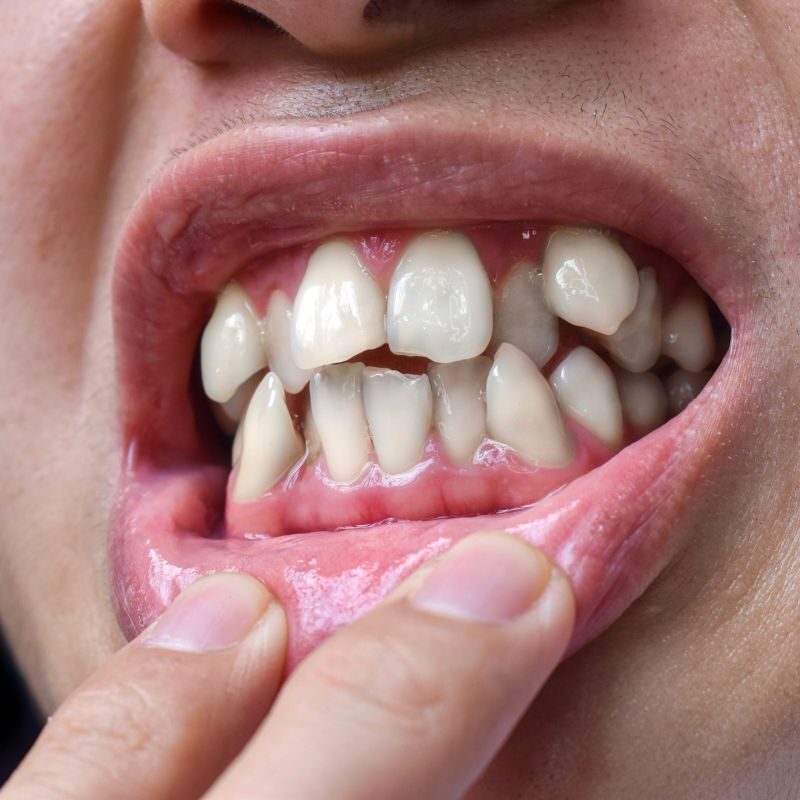
Clear aligners are one of the most popular orthodontic treatments today. They’re comfortable, removable, and nearly invisible, which makes them attractive for adults and teens who want a discreet way to straighten their teeth. But while they offer many benefits, there are limits to what they can do. Understanding what clear aligners cannot fix is the first step in choosing the right orthodontic treatment. In some cases, braces are the better option for achieving lasting results.
What Clear Aligners Can Do Well
Clear aligners work best for mild to moderate issues. They provide predictable results for patients whose treatment goals are more cosmetic than structural. Here’s where they shine.
Mild to Moderate Teeth Crowding
If your teeth overlap slightly or appear crooked, aligners can gently shift them into the correct position. These small movements create a straighter smile without noticeable hardware. Many patients with minor crowding see significant results within 12 to 18 months.
Small Gaps Between Teeth
Clear aligners are effective for closing small spaces between teeth. These gaps may not affect your bite but can impact appearance and confidence. Aligners apply light pressure to close these spaces gradually, improving aesthetics while maintaining comfort.
Cosmetic Straightening for Adults and Teens
For people who want a more confident smile without major dental corrections, clear aligners are a convenient solution. They’re removable, making them ideal for special occasions, work presentations, or photos. This flexibility is one reason aligners are so popular among busy professionals and older teens.
What Clear Aligners Cannot Fix
Despite their benefits, aligners cannot treat every orthodontic condition. Complex cases often require the precision and control of braces. Here’s where aligners fall short.
Severe Bite Problems (Overbite, Underbite, Crossbite)
Clear aligners have limited ability to correct bite problems. Conditions like deep overbites, underbites, or crossbites often involve jaw positioning, which aligners cannot adjust effectively. Braces, on the other hand, apply consistent pressure that repositions both teeth and bite alignment.
Large Tooth Gaps and Missing Teeth
When gaps are too wide, aligners lack the strength to close the space fully. Similarly, if teeth are missing, aligners cannot guide surrounding teeth into the proper position. Braces, with their anchored wires and brackets, offer the control needed for these cases.
Severe Crowding or Rotated Teeth
Clear aligners struggle with teeth that are severely rotated or overlapping. Braces are more effective because they can pull, push, and rotate teeth into alignment with precision. This makes them the best choice for patients with advanced crowding.
Jaw Alignment and Growth Issues in Kids
Children whose jaws are still developing need more than just tooth movement. Growth issues like narrow jaws, crossbites, or skeletal misalignments require braces and sometimes additional appliances. Clear aligners cannot address these developmental needs effectively.
Why Braces Are Sometimes the Only Option
Braces remain the gold standard for comprehensive orthodontic care. They are versatile and capable of correcting the most complex dental issues.
More Control Over Complex Tooth Movements
Braces allow orthodontists to move teeth in multiple directions with precision. Unlike aligners, braces can handle vertical movement, rotations, and significant repositioning of teeth that aligners cannot achieve.
Effective for Severe Orthodontic Problems
For patients with severe crowding, impacted teeth, or significant bite issues, braces are the only reliable treatment option. They use constant force to guide teeth into place, ensuring predictable outcomes even in difficult cases.
Works for Patients of All Ages
Whether you’re a child, teenager, or adult, braces provide a solution tailored to your unique needs. While clear aligners may not be suitable for young children, braces are effective across all age groups.
Long-Term Results and Stability
Braces deliver results that are stable and long-lasting. Orthodontists can fine-tune each adjustment, ensuring teeth remain properly aligned after treatment ends. This reduces the risk of relapse compared to cases where aligners were not sufficient.
Braces vs. Clear Aligners: How to Choose
Choosing between braces and aligners isn’t about preference alone. It depends on your dental condition, lifestyle, and goals. Here are key comparisons to help guide your decision.
Comparing Effectiveness and Treatment Time
Braces typically correct complex cases faster than aligners. For mild issues, aligners may be quicker. But for moderate to severe conditions, braces often remain the best choice for efficiency and thorough results.
Comfort, Lifestyle, and Aesthetics
Aligners are discreet and removable, offering flexibility. Braces, while visible, provide more comprehensive correction. Patients must weigh the convenience of aligners against the effectiveness of braces for their specific needs.
Cost and Insurance Considerations
Both braces and aligners are often covered by insurance. At Kims Orthodontics, we accept Tricare, most major insurance plans, and offer flexible payment plans. This ensures treatment is affordable whether you choose braces or aligners.
Expert Guidance from an Orthodontist
The best way to determine your treatment is through a consultation with an orthodontist. Dr. Kim provides personalized evaluations to recommend the treatment that matches your goals, health, and budget.
The Role of an Orthodontist in Choosing Treatment
Not all teeth straightening treatments are created equal. An orthodontist’s expertise is essential when deciding between clear aligners and braces.
Why You Shouldn’t Rely on Mail-Order Aligners
Mail-order aligners skip in-person evaluations, which can lead to poor results or even harm. Complex cases may worsen without professional oversight. Orthodontists monitor progress closely, ensuring safe and effective outcomes.
Difference Between Dentists and Orthodontists
All orthodontists are dentists, but not all dentists are orthodontists. Orthodontists like Dr. Kim undergo years of specialized training focused on correcting tooth and jaw alignment, making them the true experts in complex cases.
Personalized Treatment Plans for Lasting Results
An orthodontist develops a plan designed specifically for your mouth. This personalized approach ensures that whether you need aligners or braces, you receive the best treatment for your unique situation.
Affordable Options for Las Vegas Families
Cost should never prevent you from achieving a healthy, confident smile. At Kims Orthodontics, we make treatment accessible to every family in Las Vegas.
Tricare and Other Insurance Coverage
As a veteran, Dr. Kim proudly accepts Tricare for military families. We also work with most major insurance providers including Delta Dental, MetLife, Cigna, and Aetna. Our team verifies coverage and files claims on your behalf.
Flexible Payment Plans Available
We offer interest-free payment plans, low monthly payments, and options through Cherry financing. This ensures orthodontic care is affordable regardless of your budget.
Free Consultations to Explore Your Options
Every patient begins with a free consultation. This gives you the opportunity to discuss your concerns, learn about your options, and receive a clear picture of costs before committing to treatment.
Conclusion: What Clear Aligners Cannot Fix and How Braces Can Help
Clear aligners are an excellent option for many patients, but they cannot fix every orthodontic issue. Severe bite problems, crowding, and jaw misalignments often require braces for lasting results. If you’re unsure which option is right for you, schedule a free consultation with Kims Orthodontics. Call us today at (702) 760-6080 or book your appointment online.
Read what our patients have to say: Kims Orthodontics 5-Star Reviews.
FAQs
Q: What clear aligners cannot fix compared to braces?
A: Clear aligners cannot correct severe bite problems, large gaps, or complex crowding. Braces provide the control needed for these cases.
Q: Can clear aligners fix an overbite?
A: Aligners may help with mild overbites, but severe overbites often require braces for effective correction.
Q: Are braces better for kids than clear aligners?
A: Yes. Children often need jaw development guidance, which braces can provide. Aligners are usually better for responsible teens and adults.
Q: How do I know if I’m a candidate for clear aligners?
A: The only way to know for sure is through an orthodontic evaluation. Dr. Kim can determine if aligners will meet your goals or if braces are needed.
Q: Are braces more expensive than clear aligners?
A: The cost varies by case, but both treatments are often similar in price. Insurance and flexible payment plans make both options affordable.